Piano Lessons for All Ages
20% of Kids Learn to Play Music
70% of Adults wish They Had.
Learning to play piano can help your child fine-tune his/her ear and enhance skills needed for education and social interaction.
Piano Lesson Types
Private, Group, or Varied
Debi has been a well known piano teacher in West Chicago for nearly 35 years, bringing experience, innovative ideas in rhythm and note reading to all her students. Debi has been a member of the Illinois State Music Teachers Association for 25 years and brings into her studio ideas from the most successful piano teachers nationwide.
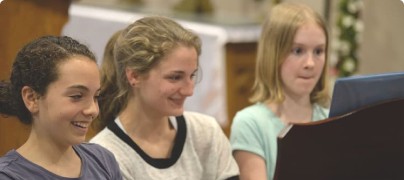
Piano Lessons Improve Academic Skills
“Music and math are highly intertwined. By understanding beat, rhythm, and scales, children are learning how to divide, create fractions, and recognize patterns. It seems that music wires a child’s brain to help him/her better understand other areas of math”, says Lynn Kleiner of Redondo Beach, CA.
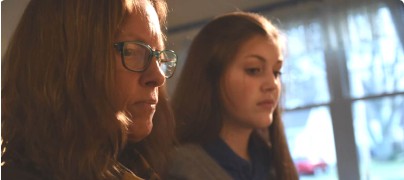
Piano Lessons Boost Personal Self Esteem
Lessons offer a forum where children can learn to accept and give constructive criticism. Turning negative feedback into positive change helps build self-confidence. Group lessons, in particular, may help children understand that nobody, including themselves or their peers, is perfect, and that everyone has room for improvement.
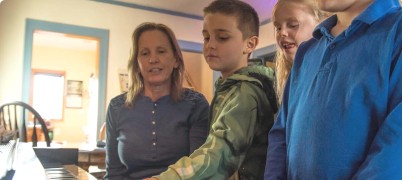
Piano Lessons Innovate Ideas in Rhythm and Note Reading
Piano lessons can help children to innovate ideas in rhythm and note reading. This is because when a child learns how to play the piano, they are using two hemispheres of their brain at the same time. The left hemisphere is responsible for analytical skills, while the right hemisphere is responsible for creativity and intuition.
Parents Always Ask…
Is My Child Ready?
Ultimately, you and your child chooses to take piano lessons should depend on a number of factors. Here’s a list of questions to consider before bringing home a new piano player:
- Is your child excited about the piano? Does he or she like the way it sounds and feels?
- Is the piano too challenging or is it not challenging enough (for both you and your child)?
- Does your child’s temperament match the piano?
- Can you afford a piano and the maintenance that comes with it?
- As a parent, do you like the sound enough to listen to your child practice it for hours at home
See for Yourself